

Integration: Where Transformation Becomes Real
Powerful experiences can open doors—but integration is what helps you walk through them.
Breathwork can create moments of clarity, release, and insight that feel profound in the moment. But without integration, even the most meaningful breakthroughs can fade, becoming something you remember rather than something that actually changes how you live, relate, and show up in your life.
Integration is the process of gently anchoring what opened during your breathwork journey into your nervous system and everyday experience. It’s where insight becomes embodied. Where awareness turns into choice. And where transformation moves from a single session into something lasting.
This is not about doing more or trying harder. In fact, integration often looks subtle—slowing down, listening to your body, responding differently to stress, or making small, aligned shifts over time. These practices are here to support that process, helping your system settle, regulate, and make sense of what moved—without forcing, reactivating, or rushing the experience.

First Things First: What Integration Is (and Isn’t)
Integration is:
Letting your nervous system settle
Allowing insights to unfold naturally
Making space for subtle shifts, not forcing change
Meeting yourself with curiosity and compassion
Integration is not:
Analyzing every moment of the journey
Expecting instant answers or transformation
Recreating or chasing the experience
Judging what came up (or didn’t)
Sometimes the most powerful integration looks quiet.

Why Reflection Prompts Help
Reflection prompts help you gently translate your experience into awareness. Putting words to sensations, emotions, or insights can help your nervous system organize what shifted during your journey, making it easier to integrate over time. These prompts aren’t meant to analyze or “figure out” your experience—they simply invite curiosity, helping what was felt in the body become something you can carry forward into daily life.
There’s no need to answer every question. Let what resonates guide you.
What stood out to me from the journey?
What sensations or emotions lingered afterward?
Did anything feel released, softened, or clarified?
What does my body seem to need more of right now?
If my experience had a message, what might it be whispering — not shouting?
If nothing feels clear, that’s okay. Insight doesn’t always come in words.
Bringing Integration Into Real Life
Integration doesn’t happen by thinking harder about your experience—it happens through small, embodied choices woven into everyday life. The goal isn’t to change everything, but to notice what feels different and respond with care.
Here are simple ways to bring your breathwork integration into the real world:
1. Slow One Moment Each Day
Choose one daily moment to move a little slower than usual—drinking your coffee, taking a shower, walking to your car. Let your breath deepen and notice sensations in your body. This trains your nervous system to stay regulated outside the session.
2. Respond Instead of React
You may notice new space between a trigger and your response. When that happens, pause and take one slow exhale before speaking or acting. Integration often shows up as choice, not intensity.
3. Follow What Feels Nourishing
Pay attention to what feels supportive versus draining—food, conversations, environments, routines. You don’t need to overhaul your life; even one small adjustment can reinforce what shifted during your journey.
4. Let the Body Lead
If your body asks for rest, movement, solitude, or connection, listen. Integration is somatic first. Trusting your body’s signals helps anchor change more deeply than mental effort.
5. Speak From Awareness, Not Urgency
If insights arise about relationships, boundaries, or needs, give them time to settle before acting. When you do share, speak from clarity rather than emotional charge. This supports integration without creating disruption.
6. Build Gentle Check-Ins
Once a day, ask yourself:
What feels different today?
What do I need right now?
Respond with one small, supportive action.
7. Remember: Subtle Is Still Powerful
Integration often looks quiet. Better sleep. Softer self-talk. More presence. Less reactivity. These are signs the work is landing—even if nothing feels dramatic.
You don’t need to hold onto the experience to integrate it. Let it live through how you care for yourself moving forward.
Supportive Breathing Practices for Integration
The following breathing techniques are designed to help your nervous system regulate, settle, and integrate after your breathwork journey. These are not meant to recreate the experience — they are grounding tools you can return to anytime you need support.
Choose one practice at a time. Short and consistent is more effective than long or intense.
Important Reminders
If any breath feels uncomfortable, stop and return to natural breathing
You are never required to hold or extend your breath
These practices should feel supportive, not effortful
Short sessions are enough — even 1–2 minutes can help
-
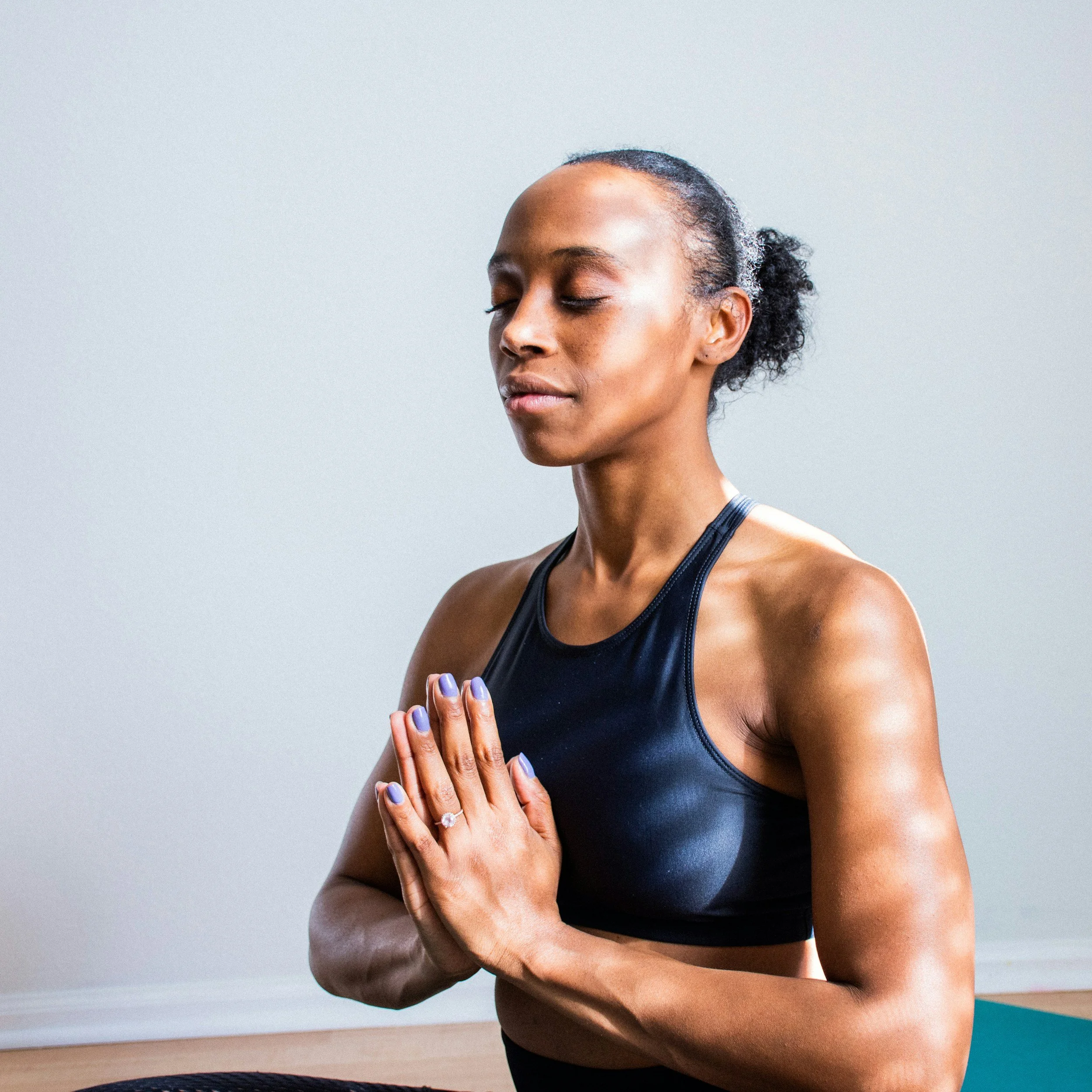
Box Breathing
This breath helps create a sense of steadiness and calm by giving your nervous system a predictable rhythm.
How to practice:
Inhale through your nose for 4
Hold gently for 4
Exhale through your nose for 4
Hold gently for 4
Repeat for 1–3 minutes
Why this helps:
Box breathing balances oxygen and carbon dioxide levels while engaging the parasympathetic nervous system. The equal rhythm helps reduce stress, slow racing thoughts, and increase feelings of safety and control.Use this when you feel scattered, anxious, or overstimulated.
-

4–7–8 Breathing
This technique supports deep relaxation and is especially helpful for winding down or preparing for sleep.
How to practice (4–7–8):
Inhale through your nose for 4
Hold the breath for 7
Exhale slowly through your mouth for 8
Repeat 3–4 cycles
Gentler option (4–2–6):
Inhale through your nose for 4
Hold for 2
Exhale through your mouth for 6
Why this helps:
Longer exhales signal safety to the nervous system and help lower heart rate and cortisol levels. This pattern encourages relaxation and can quiet mental chatter. The shorter hold in the 4–2–6 version makes it more accessible if breath retention feels uncomfortable.Use this in the evening, during stress, or when your body needs help settling.
-

5–15 Humming Breath
This breath combines slow exhalation with gentle sound to support emotional regulation and vagal nerve activation.
How to practice:
Inhale slowly through your nose for 5
Exhale for 15 while gently humming (no strain)
Let the vibration be soft and natural
Repeat for 2–4 minutes
Why this helps:
Humming stimulates the vagus nerve through vibration in the throat and chest, which can calm the nervous system and reduce stress. Humming also increases the release of nitric oxide in the nasal passages, which helps improve circulation, support respiratory function, and promote relaxation. The extended exhale further supports relaxation.Use this when emotions feel close to the surface, when you feel unsettled, or when you want a soothing, embodied reset.

Continuing Your Practice - 9D Breathwork App
The 9D Breathwork app is designed to support integration beyond a single session, offering a range of experiences you can use based on what your body and nervous system need on any given day.
Inside the app, you’ll find shorter sessions that are ideal for daily integration—perfect for grounding, regulating, or reconnecting with your breath in just a few minutes. These are meant to be accessible and supportive, helping you bring breathwork into your everyday routine without intensity or pressure.
The app also includes longer rotating sessions, which allow you to return to deeper breathwork experiences over time. These journeys rotate regularly, offering variety and preventing the practice from becoming repetitive or something you feel compelled to chase.
You’ll find sessions specifically designed for activation (supporting energy, focus, and clarity) as well as relaxation (supporting rest, calm, and nervous system downshifting). This makes it easier to choose a practice that matches where you are, rather than pushing your system in one direction.
For those who enjoy structure, the app offers 30 Days of Transformation, a guided series combining daily breathwork and meditation. This option supports consistency and gentle momentum, helping integration unfold gradually through small, intentional daily practices.